Smart Locks—The Pros and Cons

The first question I get is, what is wrong with the old tried-and-true method—a key? Answer: Nothing. The decision to change to a smart lock technology should be because you want specific features of that type of lock and you have decided the potential negatives are outweighed by these new features. So, to make this decision, you first need to know your options.

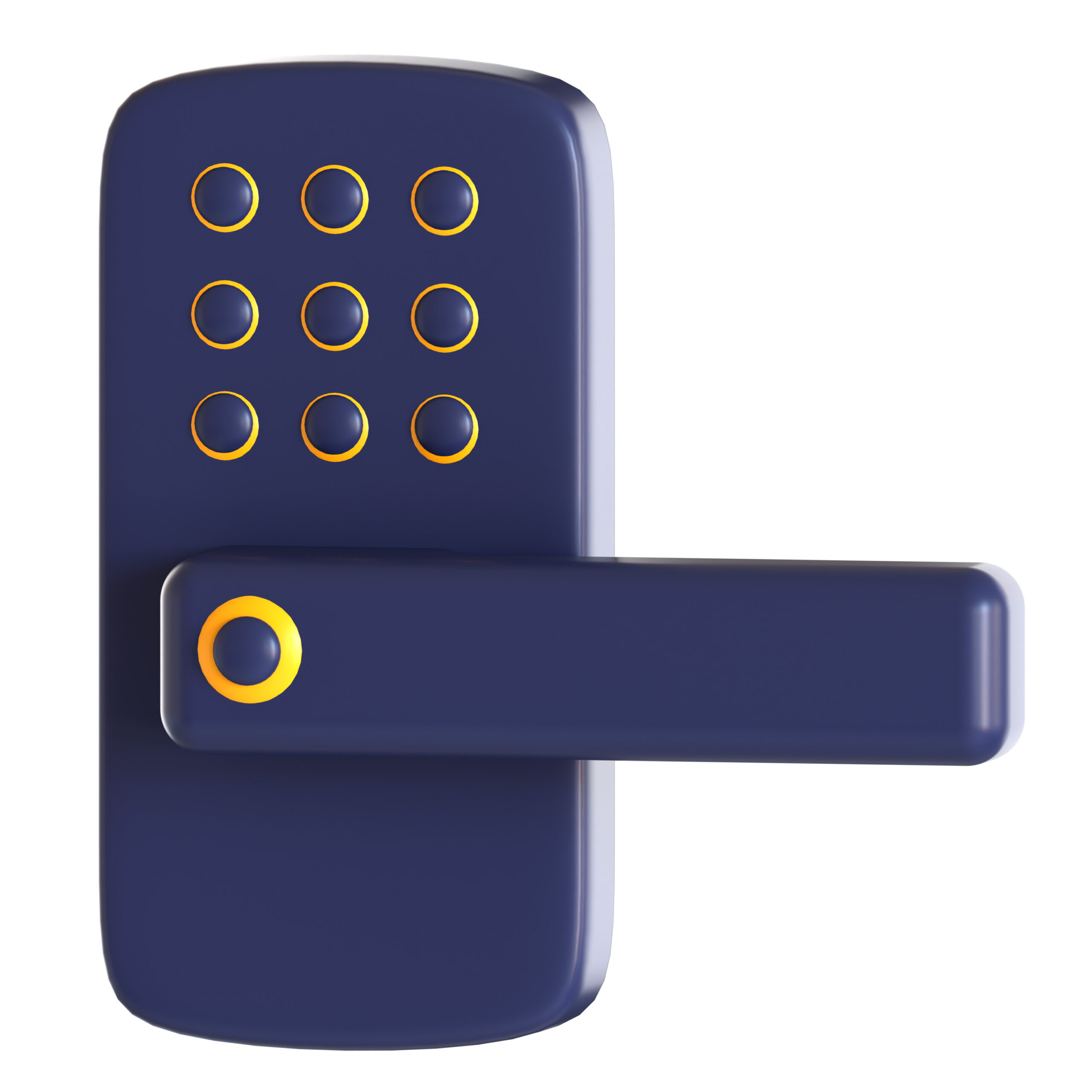
  • Option 1—Traditional key lock. This is great for someone who doesn’t have an issue carrying around a key, has a specific set number of people who need access, the people who need access don’t change, and finally either doesn’t need to monitor who or when access activity happens OR fulfills that need via cameras.
  • Option 2—Mechanical combo lock. This is an often overlooked solution. Perfect for someone who doesn’t need tracking by the lock of who or when access is happening. Someone who doesn’t want all the potential complications associated with technology and, more importantly, solves the issue of needing to carry a key. These solutions are inexpensive, do NOT require a power source, and are straightforward to use and maintain. There are models good for both gate and traditional residential door security. Example Links: https://a.co/d/0ekJ5Owd, https://a.co/d/05HOx4V1.
  • Option 3—Electronic combo lock. This is where options start to occur, and you really need to evaluate the pros/cons of each specific model. Most can have more than one code and track usage by each code. This is particularly useful so your immediate family can have a simple code you always use and never change. Then, when you have someone like a house cleaner or landscaper, you can give them a different code that you change anytime you change services. Typically these locks require a Wi-Fi network and have a battery that will need periodic charging/replacing. Most also have the ability for real-time notifications via a smartphone. I also recommend this solution if you have latchkey kids. Do NOT give them the default home code. Give them a code that is unique to them. This way, if it is shared inappropriately and something happens, you know specifically what code was used, can have that discussion about security with your child (i.e., do not share their home code with your “friends”), and should change it regularly (recommend once a year). Example Links: https://a.co/d/04rKTwhd, https://a.co/d/01WIvesE, https://a.co/d/0cDaXECL. NOTE: I always recommend anything that requires power should always be designed with a physical key backup that is hidden onsite. Some smart lock designs do NOT have this feature. Most of them do have a low battery indicator, but humans tend to ignore messages. You would rather not be locked out of your home with no other alternatives for access other than breaking in.
Smart House Maintenance — Have You Done Yours?

Almost everybody at this point has some smart home technology in use. In order to keep everything in good working in order, you need to do some general maintenance.

  • Solar Panels/Tiles — Have you done your annual cleaning? Solar panels typically see reductions around 7% and as much as 20% just because of dirt! That is just money you are throwing away. Using a garden hose to spray them with water is NOT cleaning the panels. Popular Mechanics has a good article about this issue, but I always recommend you hire a local professional to clean and inspect your panels. They can help you find problems proactively.
  • Garage Door Opener — How old is your garage door opener? Most of us have a pad we can type in a code to open the garage on the outside of the garage building. If it is old, the encryption on it is not secure which means any thief with a bit of technology has access to your garage and possibly your home. Review your setup. Have it inspected to make sure it is in good working order, secure, etc… You don’t have to replace the entire door to upgrade the opener and associated controls.
  • Cameras — Have you checked all your cameras lately? If you never look at them, at least once a year you should review all the camera feeds to make sure the alerts are working correctly, nothing needs to be adjusted, and recording is happening as you expect. This is a great time to review your setup and see if you have some blind spots that need coverage, or if you want to upgrade/update some technology.
  • Home Wi-Fi — When is the last time you looked over your home Wi-Fi setup. If you have not changed the password in more than a year, it is time to update. Make sure you have automatic updates turned on for firmware. Remember, when you change your Wi-Fi information, you will need to go through every device in your home that uses the Wi-Fi and remove the old network and add the new name/password information. This is really important because the longer it remains unchanged, the more time a bad operator has to “hack it”. Don’t give that nosy neighbor the opportunity to make your life difficult.
  • Household appliances — At least once a year you should go through all the robot vacuum cleaners, smart refrigerators, Wi-Fi enabled washer machines and check the settings, see if firmware updates are needed, and in general “kick the tires” to make sure everything is working the way you want. Quite often you will have turned notifications off and maybe missed something like a filter change reminder.
  • Review local government programs — take the time once a year to look at your insurance, city, state, and utility websites to see if they have any green or smart technology rebates. This allows you to make informed decisions throughout the year about replacements and updates so you don’t just leave money on the table.

Especially the Wi-Fi changes can feel overwhelming with the number of devices that will be impacted. Give me a call/text if you want some help keeping your sanity and knowing nothing will be missed!

Your Home — Smart Outdoor Lighting

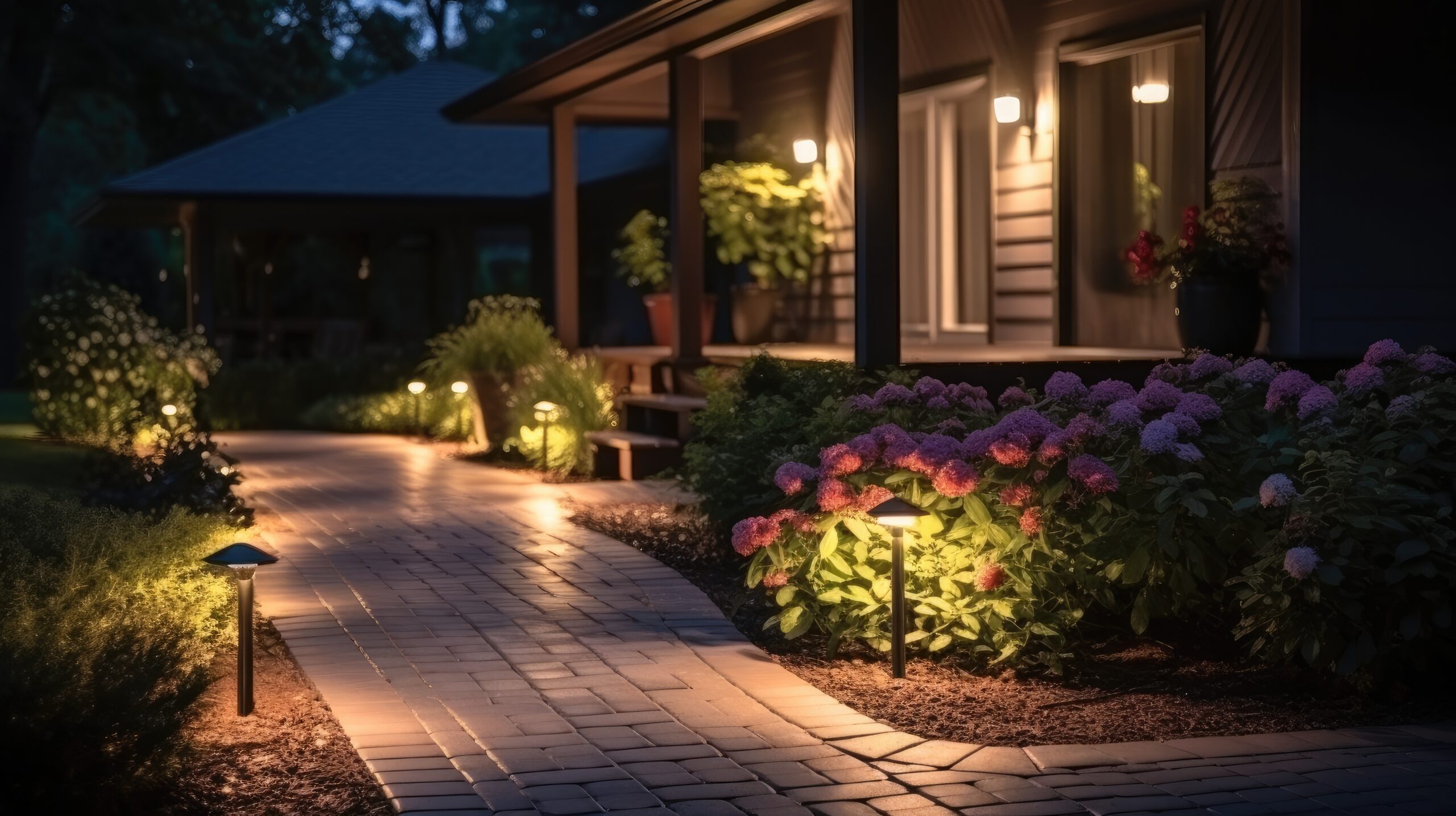
Most likely you have recently or will soon put up your outdoor holiday decor and this typically involves holiday lighting. Now, as you consider taking them down, let’s review your outdoor lighting and decide about how you want to make some home improvements. As you remove your outdoor decor, look over where lighting is bad, where do you have security concerns, do you have entertainment spaces that need different lighting when you have company over, outdoor steps that are a trip hazard due to bad lighting, etc….

Now divide your outdoor space into different zones. Most homes will have 4 zones: front, each side, and backyard. If you have a more complex outdoor space, you may want to divide into additional zones: back patio entertainment space, front walkway or driveway, etc…. When we set up smart lights, we assign them to a zone and then your controlling app will activate based on your choices one or more zones at a time. As an example, I may want my front door zone only to light up if it is nighttime and motion or doorbell activity at the front door. Another example would be motion detected in the backyard at night, but for safety, you want the backyard and both side yards to light up to ensure nobody can break into your home unnoticed.

So now that you know where you have concerns or issues as well as what you want to achieve, we can start looking at solutions. The first consideration is electrical. You do not NEED a wired power source because of the availability to use solar or battery solutions, but you need to know that before purchasing equipment. If you want items to be dependent on each other, the easiest solution is to keep everything in the same brand.

For purposes of this conversation I will use “Ring by Amazon” but multiple brands provide similar solutions. If you have a large estate, something like Josh AI is a great solution to automate and control multiple devices of different sources/brands. You are probably familiar with Ring doorbells, but they have motion activated cameras, floodlights, path lighting, etc… All of these items can be interconnected via their app, which you load onto your cell phone or access via your computer. Set up a zone called pathways, which could be solar-powered path lighting, that is set up to automatically come on from a dusk to down. For security, you can have your motion activated cameras automatically turn on any floodlight in their zone whenever it is dark and motion is detected. You could also add the “side zones” so that all sides of your house light up when the backyard cameras register motion. Finally, for an evening party, you can then turn on the “patio” zone. These lights could be setup on a dimmer so you have them provide the appropriate mode lighting and automatically override the evening motion activated full flood.

So as you set up and take down that outside holiday decor, review your setup for some home improvement opportunities. This is a great way to incorporate smart technology that provides the automation and improved security so you can simply enjoy your home. Give me a call if you want some help deciding on the correct equipment and how to design your lighting plan!

Hotspot Connectivity

Are you trying to work while on the move? Doing a little travel and need some connectivity? A hotspot probably is the solution, but there are multiple ways to accomplish setting up a hotspot and each of them have different pros/cons.

Most of us are in locations with cellular coverage and therefore a cellular connection is available to use for your laptop/computer if you have a cellular device with hotspot functionality. Almost any smartphone has this feature and if you are on an unlimited plan, there will be NO EXTRA CHARGE for using it! If you are in a location with cellular coverage but maybe not viable for your current cell phone (i.e., foreign travel) or don’t have a smartphone, then a stand-alone hotspot device is the best solution.

Cellhire (https://www.cellhire.com/) is a great solution for renting a cell phone, stand alone hot spot, satellite phone, etc. that are delivered directly to you….use it and at the end of your trip you send it back. Depending on what you sign up for, it can even coordinate with your original cellular number so “folks back home” don’t see a foreign number calling, and you receive all the calls directly from your USA device. Much safer than grabbing a SIM in a foreign country. Typically, the most “cost-effective solution” is to only rent a hot spot stand-alone device. Now, at the time of travel, turn the “cellular” connection on your personal cell phone off and make sure the Wi-Fi enabled calling is on. That way you can connect your personal phone to the hot spot and have full service but no foreign roaming/usage charges. Make sure you have it set correctly so you are not surprised with a large cell phone bill on your return.

Domestic travel where cellular connectivity is limited but exists. This is where a cell booster is a solution. I am using one right now to maintain connectivity as I write this article from the beach on a camping trip. Multiple hardware solutions are available, and you do have to call your cell phone provider so they can authorize the specific device to work on their network. This cost NOTHING other than the initial hardware purchase. Some hardware options are:

Now these solutions are “mobile” and while they talk about using them in a vehicle or RV, the reality is they are good for anyone with multiple locations where cell coverage is low. There are other solutions for fixing cell phone coverage at a stationary location like your home. The easiest is to enable “Wi-Fi” calling on your cell phone. It will automatically use a recognized Wi-Fi connection when they are available and seamlessly switch to cell phone connection without you doing anything. Great solution for the home office. Wi-Fi covers you in the house. You start the conversation as you walk out to your garage and without dropping the call it switches to the cellular connect which is good “at the street and bad in your home” as you pull out into traffic. The other option is a cell phone boost that is not designed to move/switch cell towers. Very effective solution for a work/home location with weak cellular coverage. Some hardware options are:

Connectivity while mobile is possible using publicly available Wi-Fi like in a coffee house, hotel lobby, or McDonald’s but quality of connection and security vary greatly.

Give me a call if you need some help figuring out the best solution for your needs.

Smart Home AI

AI (artificial intelligence) has become the latest “tool” for home automation and smart enhancement. As with any IT upgrade, you have to remember that you are trading privacy for features and functions. For most of us, this is an acceptable trade-off. Remember to consider that something has to have access in order to “respond” when you speak a specific command, function based on camera data, etc…. If you work from home, make sure you consider your industry/work security requirements before install AI or just smart home features. For example, a smart TV that responses to voice commands might not be appropriate in your home office if you have meetings via your computer or in person involving proprietary, government, or other very sensitive client data. Especially if that TV is functioning using a foreign based service.

Combining smart home features and functions with AI can take your home experience to the next level in automation, security, and personal convenience (or frustration if it is not working correctly). Josh.ai (https://www.josh.ai/) is one of the top currently available AI services that specialize in home automation. Chaptech IT (https://www.chaptechit.com/) which is located in Orange County, CA is an amazing service provider for integrating technology in larger estates/properties.

The key to understand is AI is great at responding in a specific way based on specific inputs….especially multiple inputs. For example, a simple technology we are all familiar with is the thermostat. You set it to turn on AC if temperature is greater than X and turn off AC when temperature is lower than Y. A smart thermostat would combine that basic ability with a connection to the internet so you can interface with it via your phone (i.e., when you are not at home), controls so it can decide if AC, heating, or just fans would be the best solution for the temperature specified by the owner, and some basic logic ability to make these decisions. AI would take this to the next level. One example might be integrating skylight controls, windows, and whole house fans into this setup. Now the AI can determine confirm that it is not raining, so the skylights can be opened if needed, entire house fans can be used instead of AC, windows can be opened/closed as needed. Inside and outside temperatures can be monitored so the most energy efficient solution can be selected for the client’s desired home temperature.

This is just a heating/cooling example, but smart technology or combining it with AI can be used for everything from vacuuming floors to pool controls to kitchen appliances to solar/wind power generation. Technology for your home is exploding, and how you enhance your home to improve its value or your experience will become one of the major differences we will see. If you are thinking about making changes or preparing it for selling, you need to think about smart technology. The infrastructure to make it work like wiring is a great upgrade to consider, even if you don’t plan on using it yourself. It enhances the value and gives you options in the future. Anytime you open up walls you should be thinking about if you need to make any changes to water, electrical, insulation, or basically anything that goes inside the wall.

Give me a call, text, reach out via this website; if you have questions and need some help making “smart” decisions!

Home/Gate Locks — Smart or Not?

When consider installing or replacing existing locks on doors or gates, you should consider some features for smart or very not smart solutions that don’t require a key! Smart locks have one universal issue…power. Most of them have batteries that are very long-lasting, but at some point, you will probably be trying to enter your home, and it will not work because the battery is too low. At a minimum, you should not consider any smart lock that doesn’t have a key bypass override. Proactively replacing/charging batteries on a set cycle is also a best practice. Most smart locks include a phone app that allows you to set up more than one code, so you know who is coming and going. This is particularly good if you want to give a “worker” something temporary and not the easy to remember code you use for yourself.

Some options are:

Some Patio Door Options:

Some Gate Options:

Now, if you want to go “old school” but hate having to carry keys, you should consider a keyless mechanical lock. No battery issues here. No connectivity issues. Complete privacy.

Give me a call/text/email if you want some help finding the right solution.